Seamlessly switch between 6 core wave spring architectures in 3D, dynamically calculating operating height, axial force, and shear stress.
Formed from precision flat wire with deburred radius edges, eliminating stamping micro-cracks and stress concentrations.
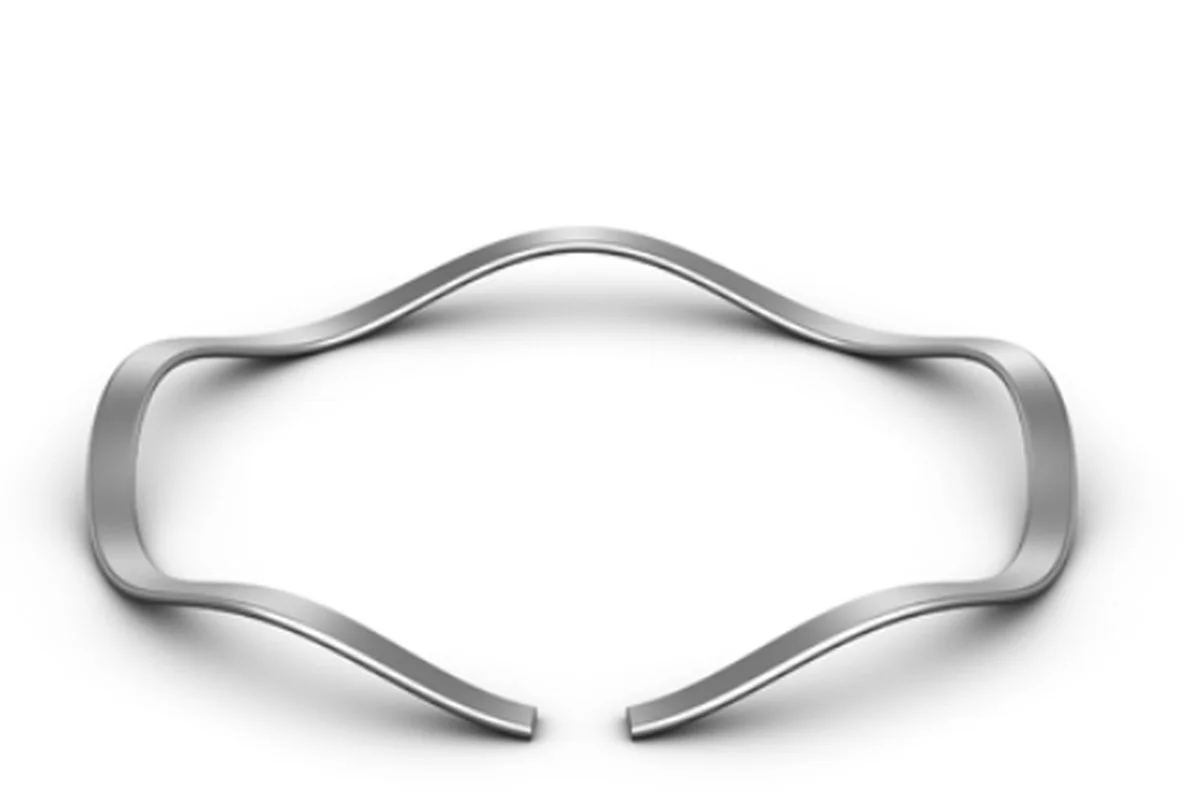
The most compact low-profile elastic structure. Pre-sheared gap allows unconstrained expansion/contraction inside bores or on shafts, ideal for bearing preload and mechanical face seal compensation.
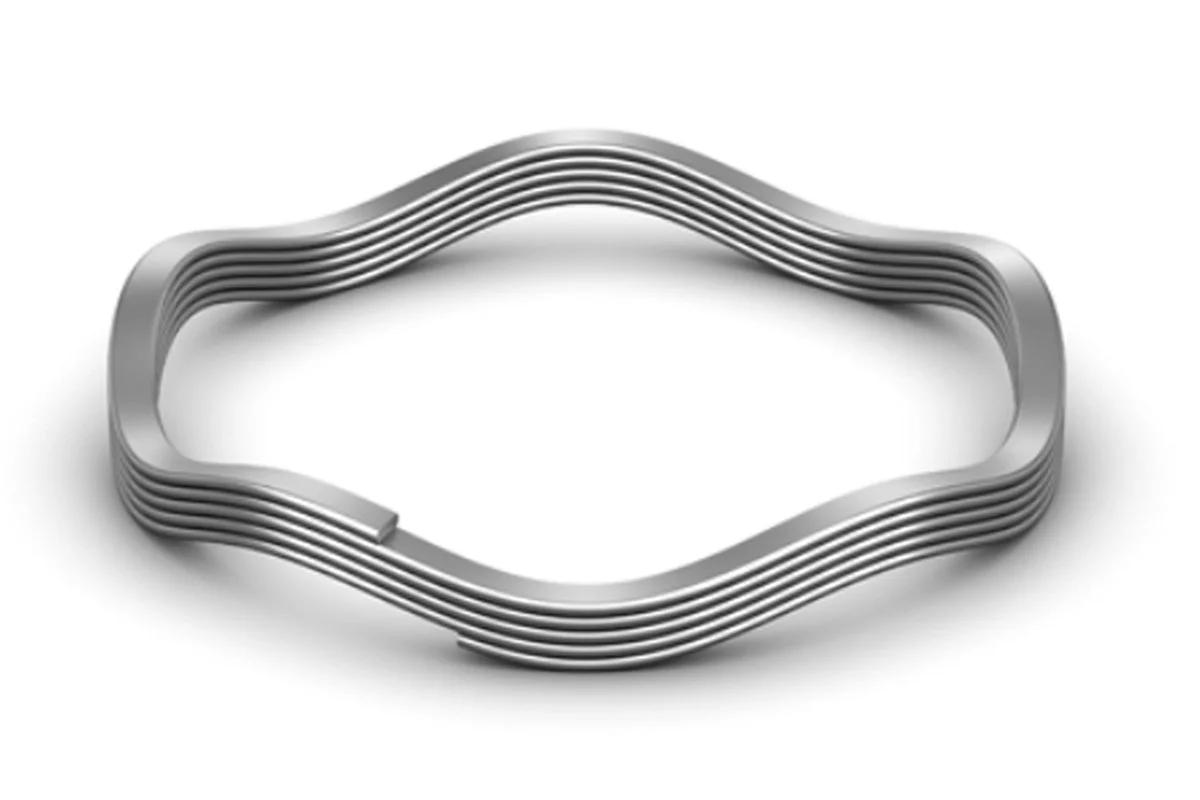
Multi-turn continuous parallel nesting where waves remain in-phase. Spring rate increases proportionally with turn count, delivering heavy load capacities in severe radial and axial spaces.
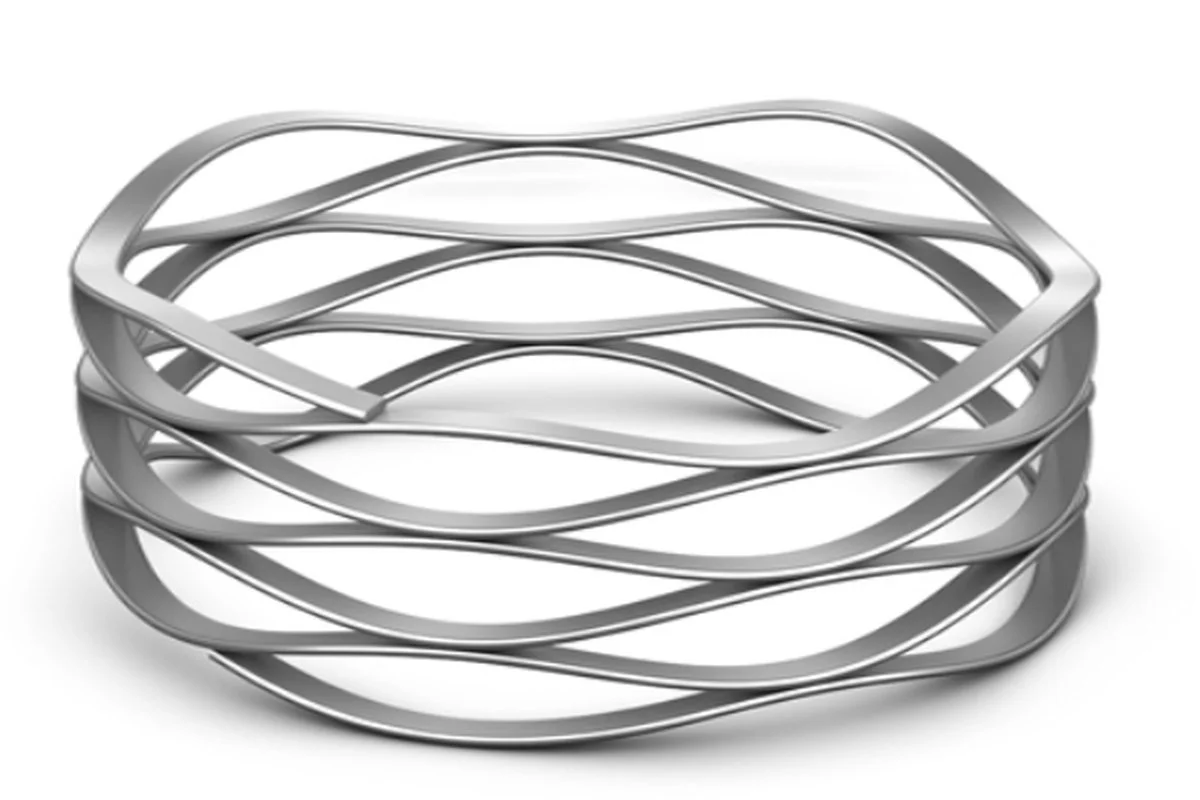
Crests align with opposing troughs, expanding deflection stroke proportionally with turn count. Delivers extended travel and linear spring rates in 50% less axial space than coil springs, eliminating backlash.
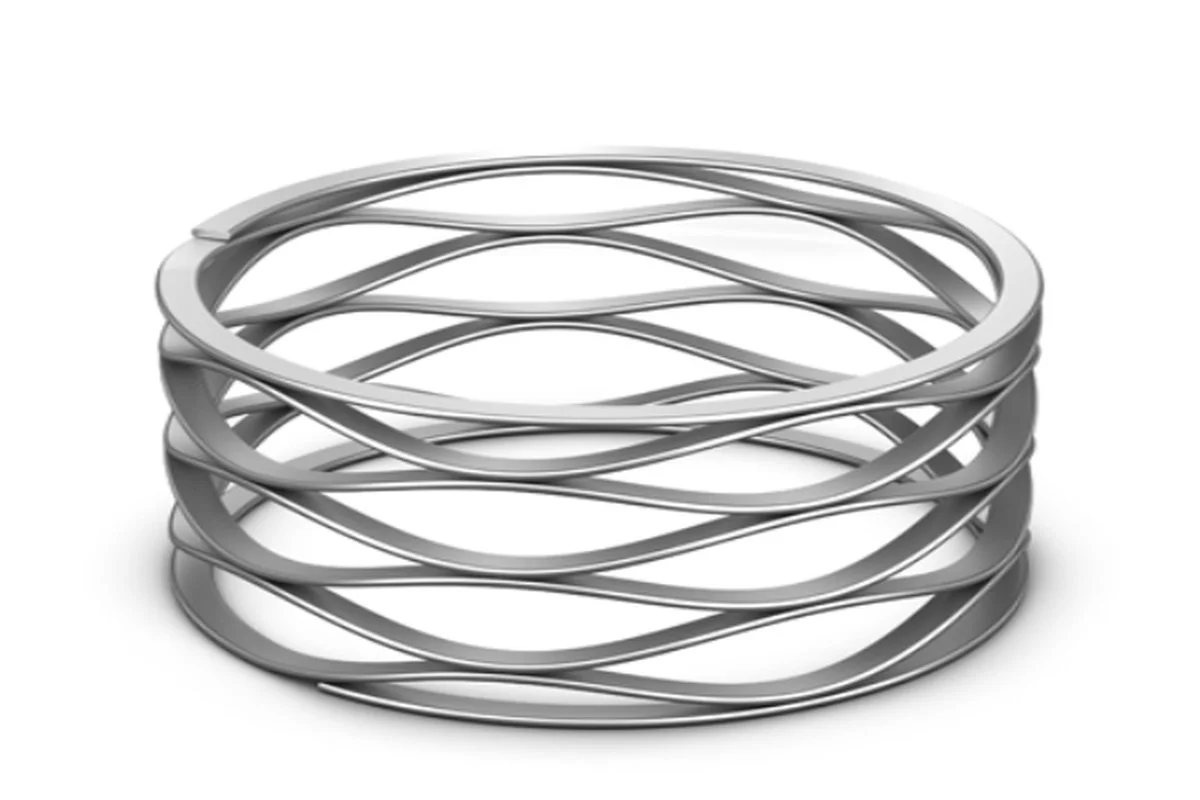
Features 360° continuous flat shim ends on top and bottom. Ensures 360° uniform surface contact with mating flanges, eliminating point-load stress concentrations and indentation on soft alloys.
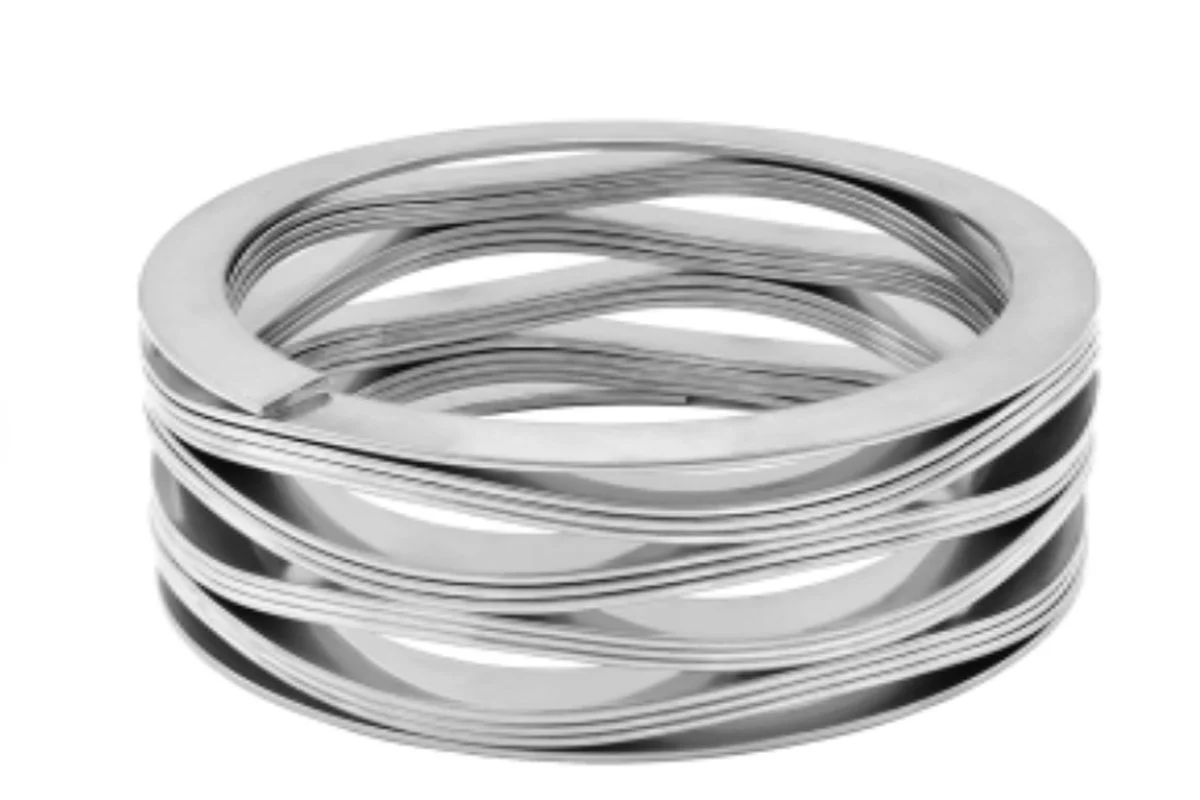
Multi-filament parallel plies arranged in crest-to-crest series. Combines massive kilonewton-level load capacity with extended travel, replacing friction-prone Belleville disc spring stacks.
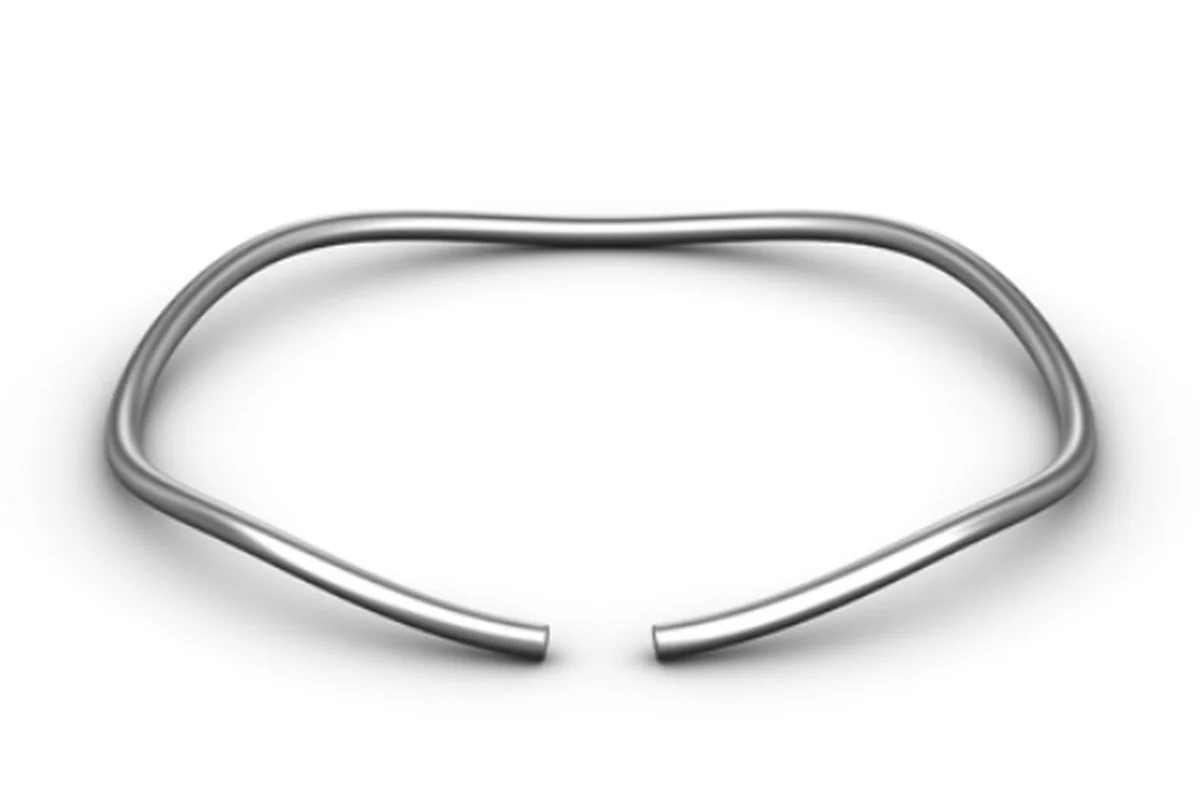
Coiled from high-purity round spring wire with continuous wave corrugations. Round cross-section eliminates edge-stress risers, delivering exceptional fatigue life under high-frequency dynamic cycling.
Failure mechanism analysis and high-reliability specification matrices for severe mechanical conditions
Humanoid robot joint actuators accommodate only 5~7mm axial envelope for bearing preloading. To achieve the required 240N load, conventional coil springs exceed free height allowances by over 100%; excessive compression induces edge-shear stress concentrations and fretting wear, causing joint backlash degradation and loss of end-effector repeatability.
| Recommended Series | TOSTA Shim Ends Crest-to-Crest Wave Spring |
| Material & Temper | 17-7PH Stainless Steel · CH900 Subzero Precipitation Hardened (Rm ≥ 1,450 MPa) |
| Installed Height | 5.2 mm (Free Height 8.0 mm · Operating Deflection 2.8 mm) |
| Target Preload Force | 240 N ± 5% (Linear constant-force plateau, eliminating axial play over full lifecycle) |
| End Interface Profile | 360° Continuous Flat Shim Ends (Transforms line/point contact into uniform annular area, reducing peak stress by 64%) |

In 800V SiC e-drivetrains, rotor high-speed rotation and severe rapid acceleration thermal spikes cause 0.3~0.5mm axial shaft elongation. Belleville disc springs exhibit steep load-deflection slopes, causing excessive preload spike and bearing overheating/seizure during thermal growth, while under-preloading when cold leads to ball skidding, micro-pitting, and severe NVH whine.
| Recommended Series | TOSTA Single Turn Wave Spring with Gap |
| Material & Temper | 17-7PH Stainless Steel / 50CrV4 Spring Steel (High-Temp Stress-Relieved) |
| Operating Height | 3.6 mm (Dynamically absorbs ΔL = 0.45 mm axial thermal expansion) |
| Target Preload Force | 450 N (Load variance ≤ 4.2% across full operating range -40°C ~ +150°C) |
| Surface Coating | ATF Oil-Resistant Phosphate / Molybdenum Disulfide (MoS2) Anti-Friction Coating |
eVTOL tilting mechanisms and miniature servo actuators operate under stringent takeoff weight constraints and severe aerodynamic turbulence. Heavy round wire coil springs risk acoustic standing-wave resonance and catastrophic fatigue breakage under high-frequency excitation. Actuators require ultra-lightweight, high-damping axial balancing forces inside tight servo enclosures.
| Recommended Series | TOSTA Crest-to-Crest Wave Spring |
| Material & Temper | Inconel 718 (UNS N07718) Superalloy / Aerospace 17-7PH Stainless Steel |
| Weight & Space Saving | Reduces weight by 45% ~ 55% vs coil springs; axial cavity height cut by 50% |
| Fatigue Design Life | ≥ 5,000,000 High-Frequency Micro-Vibration Cycles (RTCA DO-160G Compliant) |
| Aerospace Traceability | Meets subzero & low-magnetic requirements; 100% mill test certificates & NDT inspection provided |

Laparoscopic and endoscopic instrument shafts are restricted to 3~5mm trocar cannulas, requiring ultra-compact reset springs with gentle deflection slopes and tactile firing feedback. Instruments must withstand hundreds of 134°C autoclave steam sterilization cycles and enzymatic washings, strictly prohibiting ferromagnetic image distortion under intraoperative MRI environments.
| Recommended Series | TOSTA Medical Grade Micro Wave Spring |
| Material & Temper | Medical SUS316L Austenitic Stainless Steel · Mirror Electropolished & Passivated |
| Micro Profile Specs | Micro OD Φ2.5mm ~ Φ8.0mm · Coiled from 0.08mm Ultra-Thin Flat Wire |
| Biocompatibility | Complies with medical biocompatibility standards; zero cytotoxic heavy metal leaching |
| MRI Non-Magnetic Profile | Undergoes vacuum demagnetization; Permeability μr ≤ 1.005, zero MRI artifact distortion |
Continuous flat-wire bending mechanics and why axial cavity height is reduced by 50% under identical load.
Stiffness profiles, load-deflection linearity, and 3-question sizing decision methodology for engineers.
Operating temperature limits, corrosion resistance, and fatigue life across carbon steel, 17-7PH, and Inconel 718.
Backlash elimination, thermal growth compensation, and avoiding plastic deformation during solid compression.
Comprehensive monographs covering beam bending equations, JB/T 13296 standards, multi-turn tolerances, and failure prevention guidelines with instant keyword search.
Commercial secrets are strictly protected by binding NDA confidentiality agreements. Using encrypted transmission channels, client proprietary drawings and custom geometries are rigorously shielded. To protect intellectual property, 3D STEP models are verified and transferred directly by engineering staff.
Our senior spring engineering team reviews customer designs for deflection ratios, stress relaxation, load tolerances, and cycle life. We provide professional 2D drawing optimizations and 3D STEP clearance checks to prevent assembly interference and ensure first-time prototype success.
Using computerized precision flat-wire edge-coiling machinery, we adjust outer diameters, waves, and thicknesses without costly tooling dies. 1-piece MOQ with fast turnaround in as little as 7 days, complete with full CMM dimensional inspection reports and raw material mill certificates.