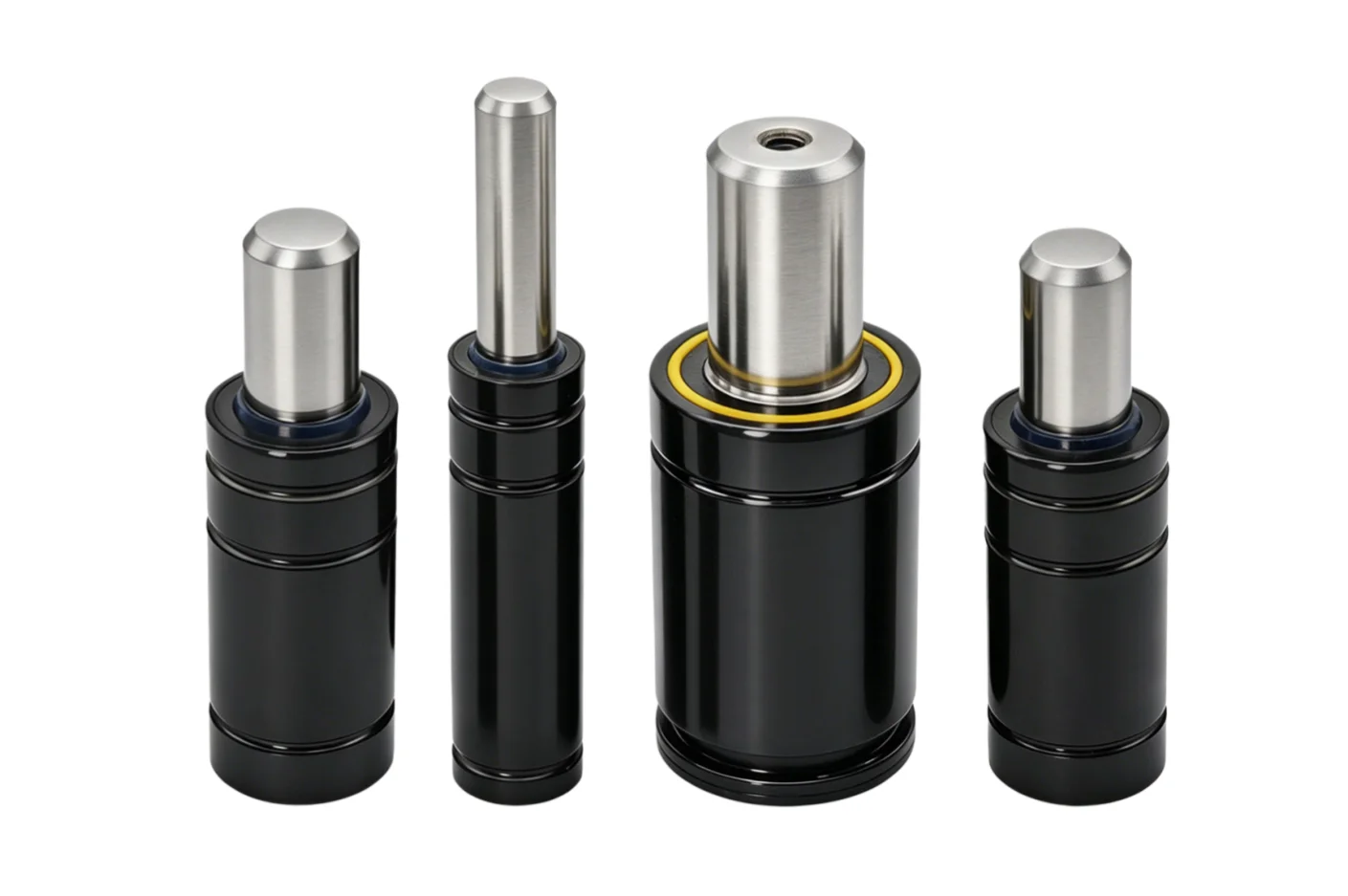
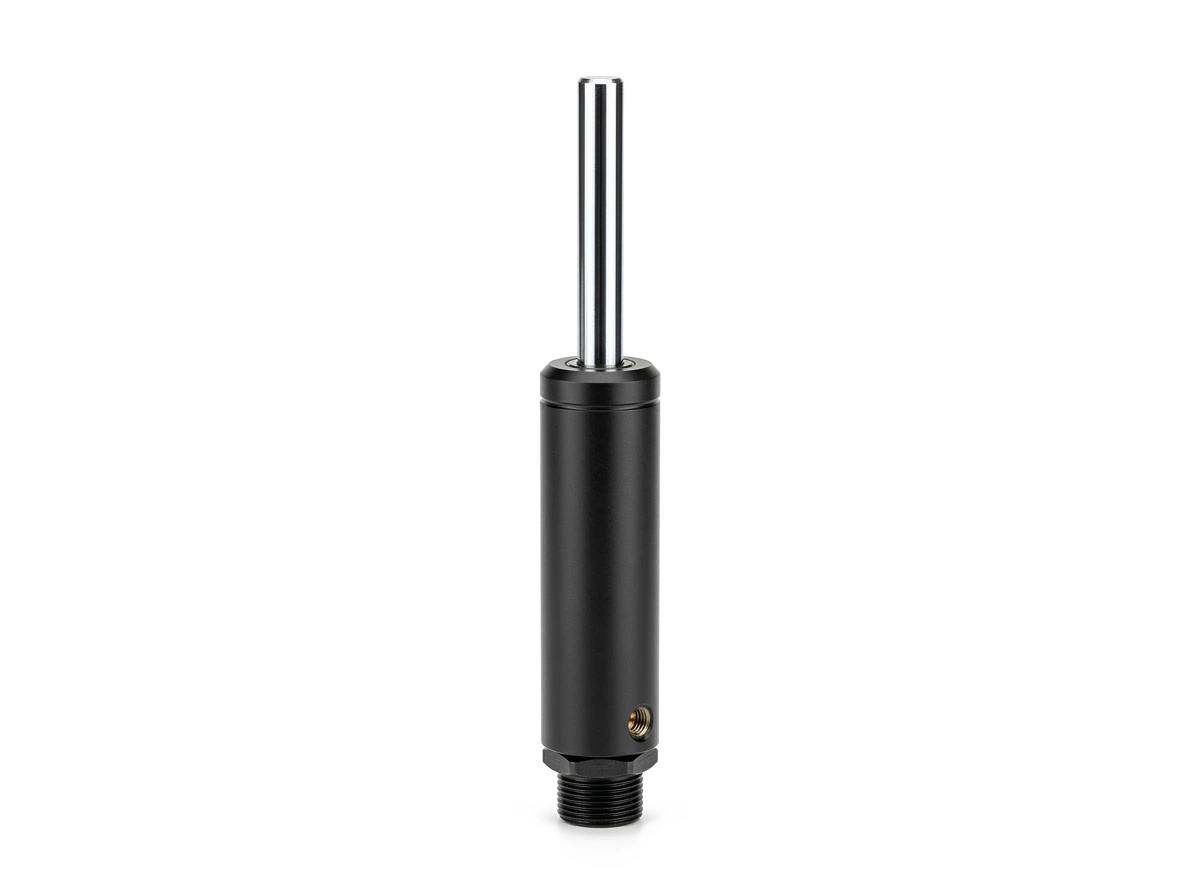
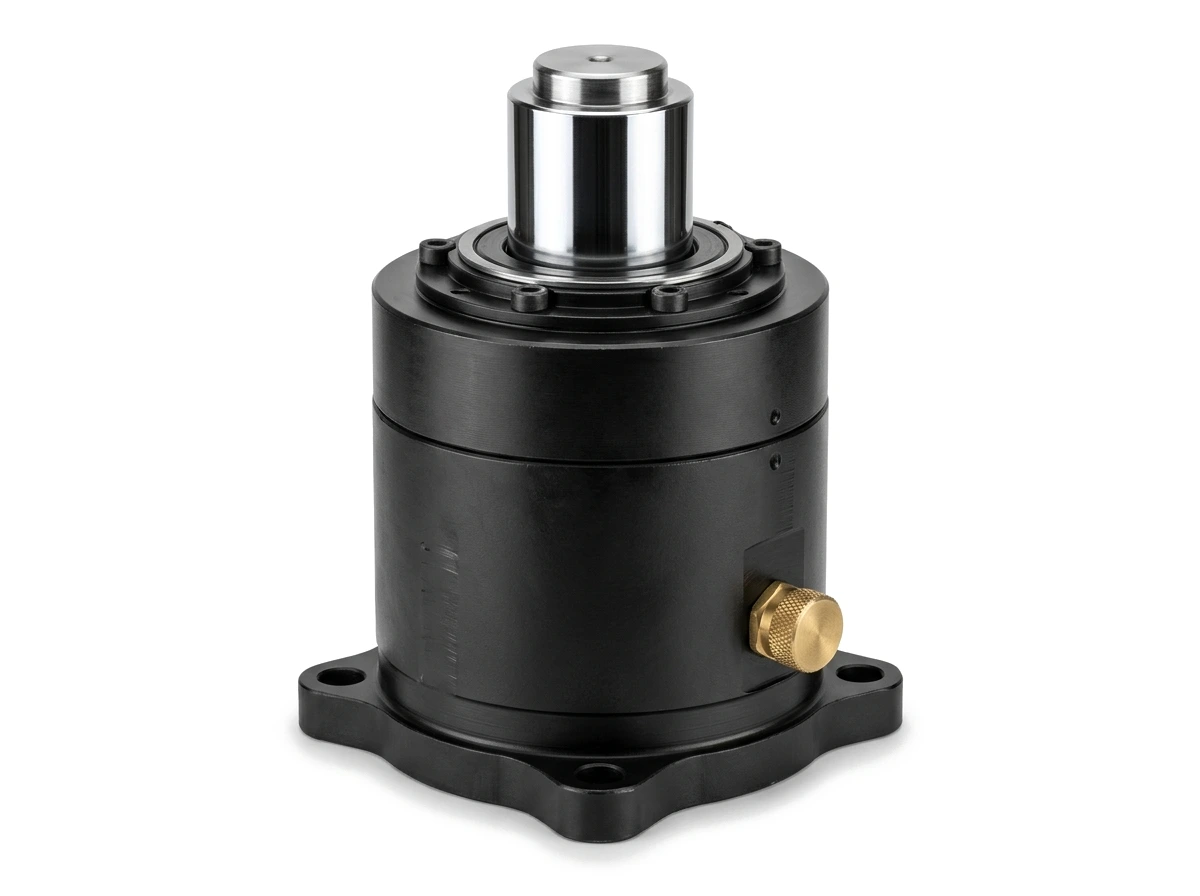
| Initial Stroke Force (F₀)Nitrogen Spring | 100% rated force output at stroke zero! Instantly grips sheet blank upon tool contact, eliminating deep drawing wrinkles. | Initial force starts at 0; requires 10%–15% pre-travel for weak clamping force, causing severe blank wrinkling in early stroke. |
| Full-Stroke Force RatioNitrogen Spring | Gentle pressure buildup (Fmax / F₀ ≈ 1.25–1.45); uniform stress distribution across stroke prevents part tearing at bottom dead center. | Steep linear force spike (300%–500% of initial force at BDC), frequently piercing or splitting high-strength sheet metal. |
| Die Height & Space EnvelopeNitrogen Spring | Extreme energy density; replaces 8–12 coil springs per cylinder, reducing required tool cavity volume and die shut height by 50%. | Requires large clusters of parallel coil springs with deep pocket boring, resulting in bulky, heavy, and costly die shoes. |
| Fatigue Life & ReliabilityNitrogen Spring | Micro-polished hard-chrome piston rod + imported dual-lip polyurethane seals yield 2,000,000+ cycle operational life. | Severe internal shear stress concentration under high-frequency cycling causes brittle fatigue fracture within 300,000–500,000 strokes. |
| Failure Mode & Tool SafetyIntrinsic Safety | Progressive soft failure (gradual pressure drop detected via external pressure sensor); built-in burst disc prevents catastrophic explosion. | Sudden violent brittle fracture; shattered spring fragments eject into die cavities, destroying precision carbide punches and dies. |
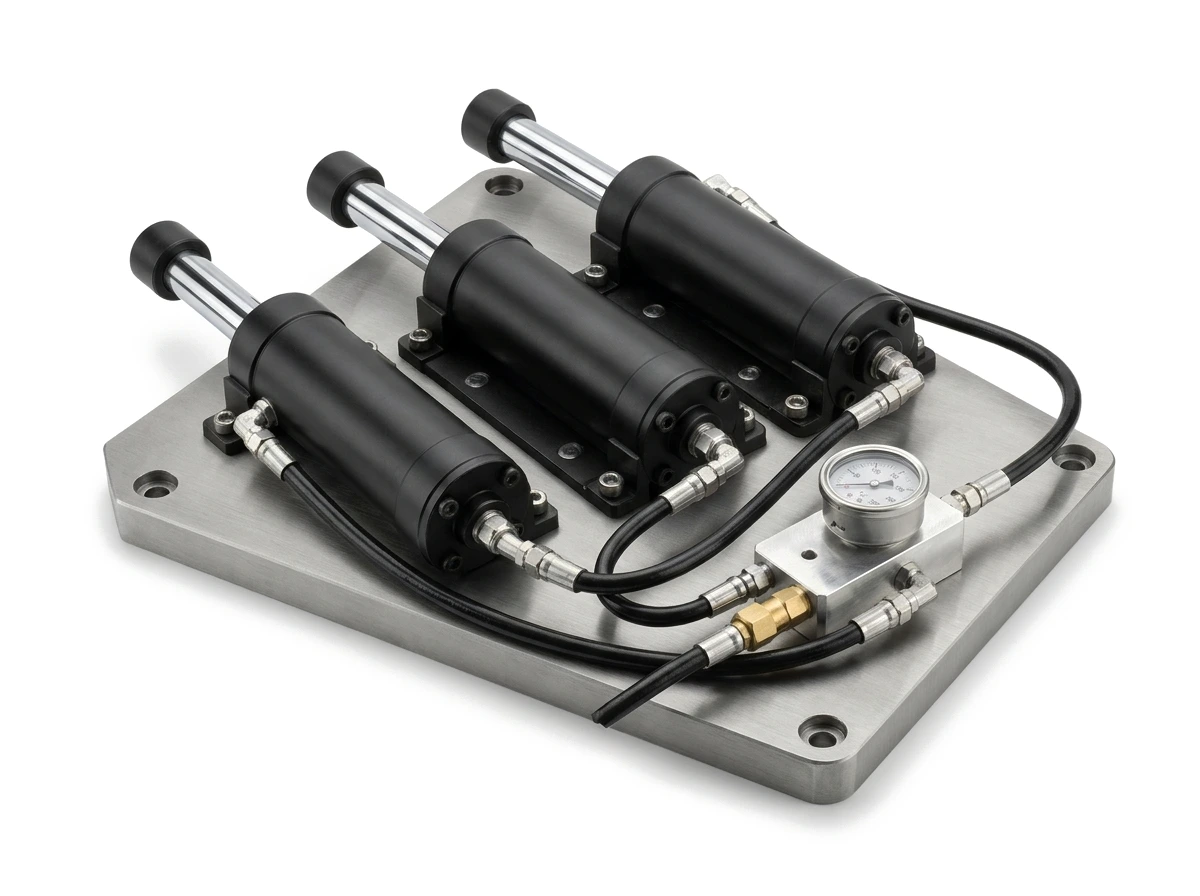
| Multi-Point Balancing & TuningNitrogen Spring | Manifold piping interconnects all cylinders for instantaneous pressure equilibrium; tool pressure is adjusted externally without die teardown. | Spring rate tolerances scatter between individual coils; no on-line adjustment, leading to uneven clamping and warped stampings. |
| Thermal Stability at High SPMNitrogen Spring | Charged with 99.999% pure inert nitrogen with high thermal stability, sustaining continuous 40–120 SPM high-speed stamping presses. | Severe internal hysteresis friction generates excessive heat, causing thermal relaxation, load drop, and premature spring annealing. |