ISO 11901 Automotive Standard · 4-Level Active Safety · 2,000,000+ Cycle Fatigue Life

Industrial Stamping Die Nitrogen Gas Springs

Delivering 100% rated clamping force from stroke zero, eliminating deep drawing wrinkles and bottom tearing. Cuts die shut height by 50%–60% with integrated 4-level active safety mechanisms—the premier upgrade over traditional ISO 10243 rectangular die springs.

100% F₀
Full Force at Stroke Zero
-50%
Die Height & Cavity Volume
2,000,000+
Standard Press Cycle Life
4-Tier
Active Explosion-Proof Safety
Stamping Tooling Evolution · Engineering Comparison

Nitrogen Gas Springs vs Traditional Rectangular Springs (ISO 10243)

Traditional mechanical coil springs are governed by linear Hooke's law, creating severe bottlenecks in high-strength automotive steel forming. Discover why TOSTA nitrogen springs offer unmatched reliability, space savings, and stamping yield.

TOSTA Nitrogen Spring AdvantageRectangular Spring Limitation
Evaluation DimensionTOSTA Nitrogen Gas Springs (ISO 11901)Traditional Rectangular Die Springs (ISO 10243)
Initial Stroke Force (F₀)Nitrogen Spring100% rated force output at stroke zero! Instantly grips sheet blank upon tool contact, eliminating deep drawing wrinkles.Initial force starts at 0; requires 10%–15% pre-travel for weak clamping force, causing severe blank wrinkling in early stroke.
Full-Stroke Force RatioNitrogen SpringGentle pressure buildup (Fmax / F₀ ≈ 1.25–1.45); uniform stress distribution across stroke prevents part tearing at bottom dead center.Steep linear force spike (300%–500% of initial force at BDC), frequently piercing or splitting high-strength sheet metal.
Die Height & Space EnvelopeNitrogen SpringExtreme energy density; replaces 8–12 coil springs per cylinder, reducing required tool cavity volume and die shut height by 50%.Requires large clusters of parallel coil springs with deep pocket boring, resulting in bulky, heavy, and costly die shoes.
Fatigue Life & ReliabilityNitrogen SpringMicro-polished hard-chrome piston rod + imported dual-lip polyurethane seals yield 2,000,000+ cycle operational life.Severe internal shear stress concentration under high-frequency cycling causes brittle fatigue fracture within 300,000–500,000 strokes.
Failure Mode & Tool SafetyIntrinsic SafetyProgressive soft failure (gradual pressure drop detected via external pressure sensor); built-in burst disc prevents catastrophic explosion.Sudden violent brittle fracture; shattered spring fragments eject into die cavities, destroying precision carbide punches and dies.
Multi-Point Balancing & TuningNitrogen SpringManifold piping interconnects all cylinders for instantaneous pressure equilibrium; tool pressure is adjusted externally without die teardown.Spring rate tolerances scatter between individual coils; no on-line adjustment, leading to uneven clamping and warped stampings.
Thermal Stability at High SPMNitrogen SpringCharged with 99.999% pure inert nitrogen with high thermal stability, sustaining continuous 40–120 SPM high-speed stamping presses.Severe internal hysteresis friction generates excessive heat, causing thermal relaxation, load drop, and premature spring annealing.
01

Zero Wrinkling & Tearing

100% rated clamping force right at initial sheet touch eliminates drawing wrinkles; gentle pressure progression avoids tearing parts at bottom dead center.

02

Cuts Die Height by 50%

A single Φ95mm nitrogen cylinder provides 30 kN initial force, replacing 8–12 bulky coil springs and slashing tooling machining costs.

03

Soft Failure Protects Dies

Unlike shattered coil spring fragments that crush expensive carbide punches, nitrogen cylinders experience gradual pressure bleed with zero tooling damage.

04

Centralized Digital Manifolds

Interconnected piping balances multi-cylinder pressure instantly. External digital control panels allow full-die pressure adjustment without disassembling tools.

TOSTA Nitrogen Spring Product Series

From ultra-compact micro cylinders to 10-ton heavy-duty press cylinders, fully conforming to ISO 11901, VDI 3003, and CNOMO automotive standards

Download 3D CAD Library & Product Catalog →

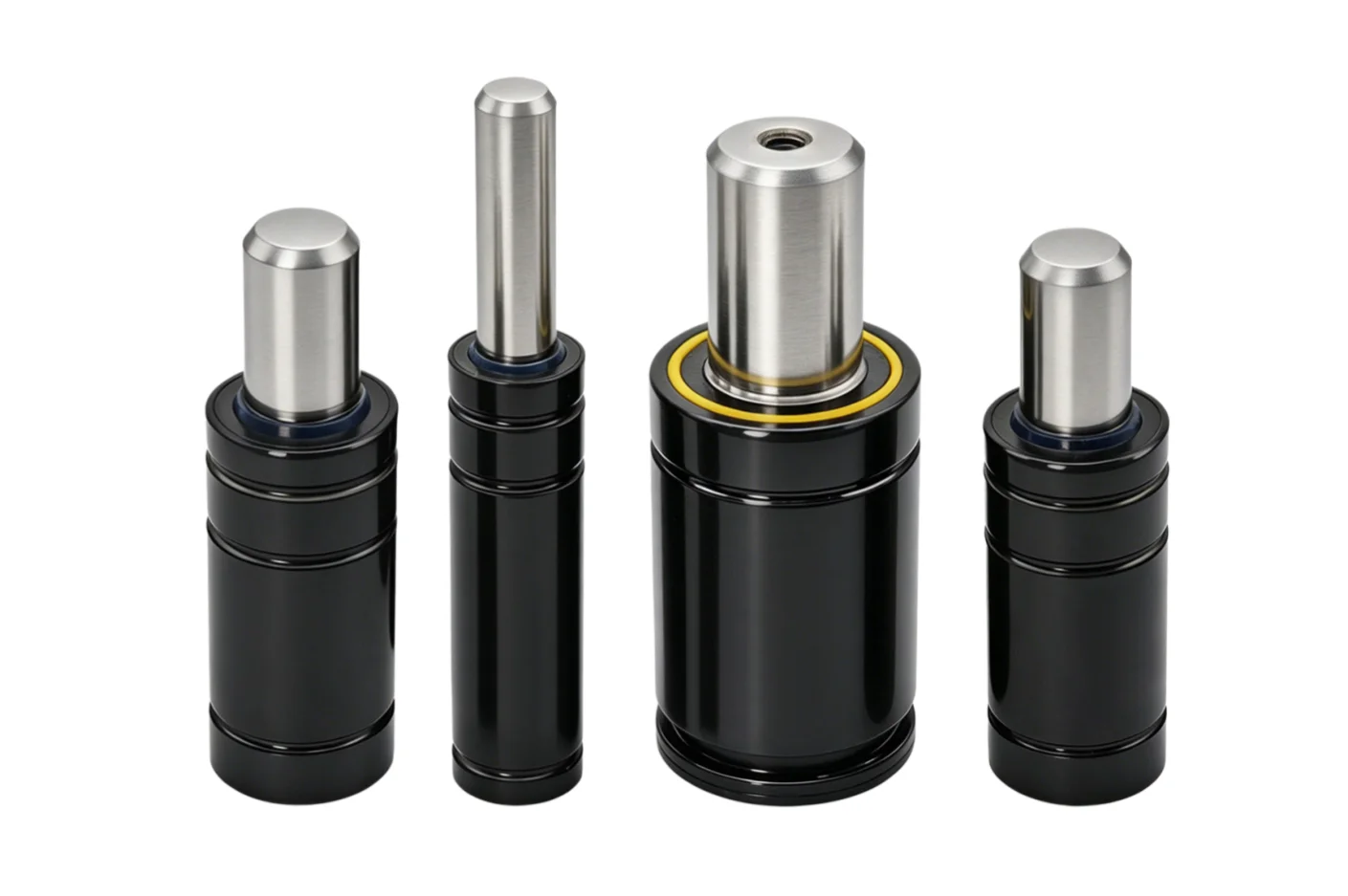
ISO 11901 Standard Nitrogen Springs (TU Series)

Universal standard for global automotive stamping dies. Cylinder bore Φ32~Φ195mm, force capacity 1.5kN~100kN (10 tons). Delivers stable full-stroke force and 100% interchangeability with major international brands.

ISO 11901 Standard Nitrogen Springs (TU Series) - Universal standard for global automotive stamping dies. Cylinder bore Φ32~Φ195mm, force capacity 1.5kN~100kN (10 tons). Delivers stable full-stroke force and 100% interchangeability with major international brands.

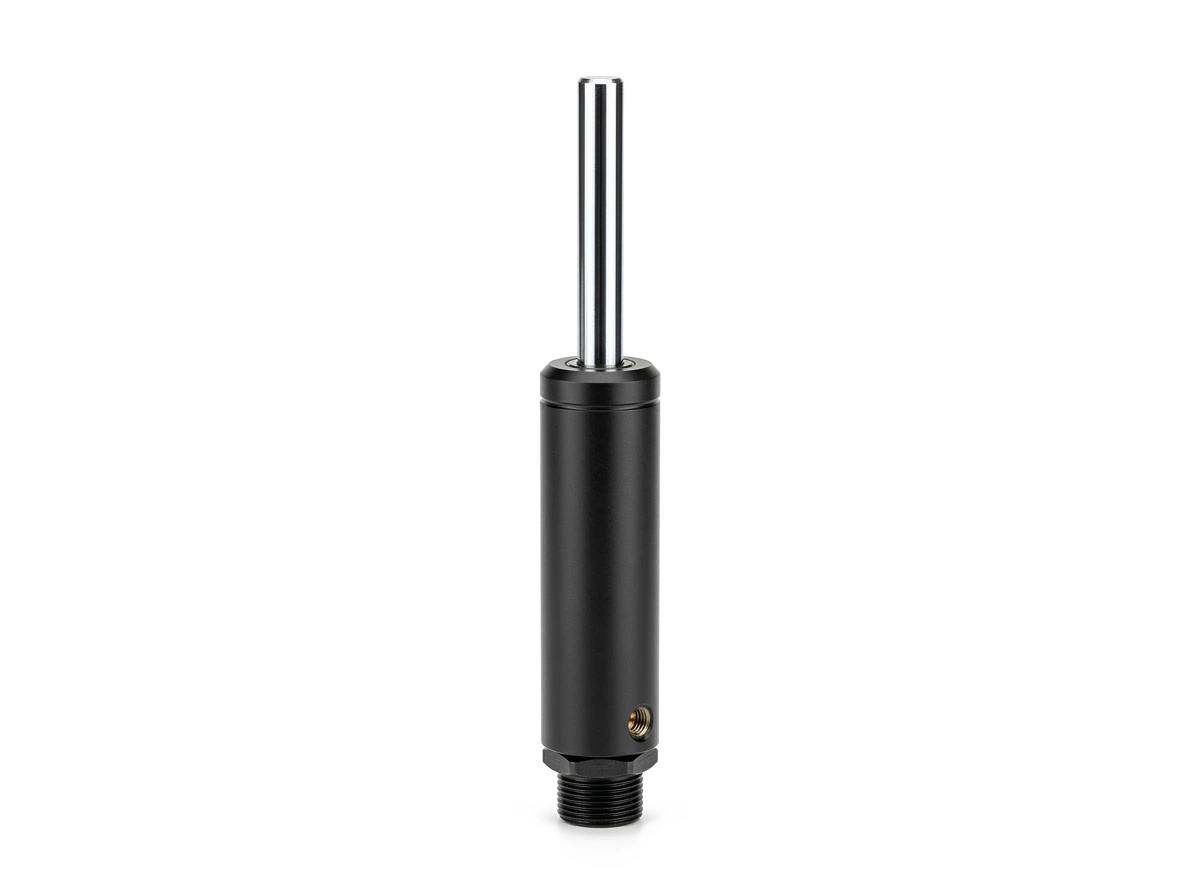
Micro & Compact Nitrogen Springs (Micro Series)

Engineered specifically for confined tool spaces and high-speed progressive dies. Compact outer diameters (Φ19~Φ38mm) delivering up to 4,200 N of initial force in tight cavity layouts.

Micro & Compact Nitrogen Springs (Micro Series) - Engineered specifically for confined tool spaces and high-speed progressive dies. Compact outer diameters (Φ19~Φ38mm) delivering up to 4,200 N of initial force in tight cavity layouts.

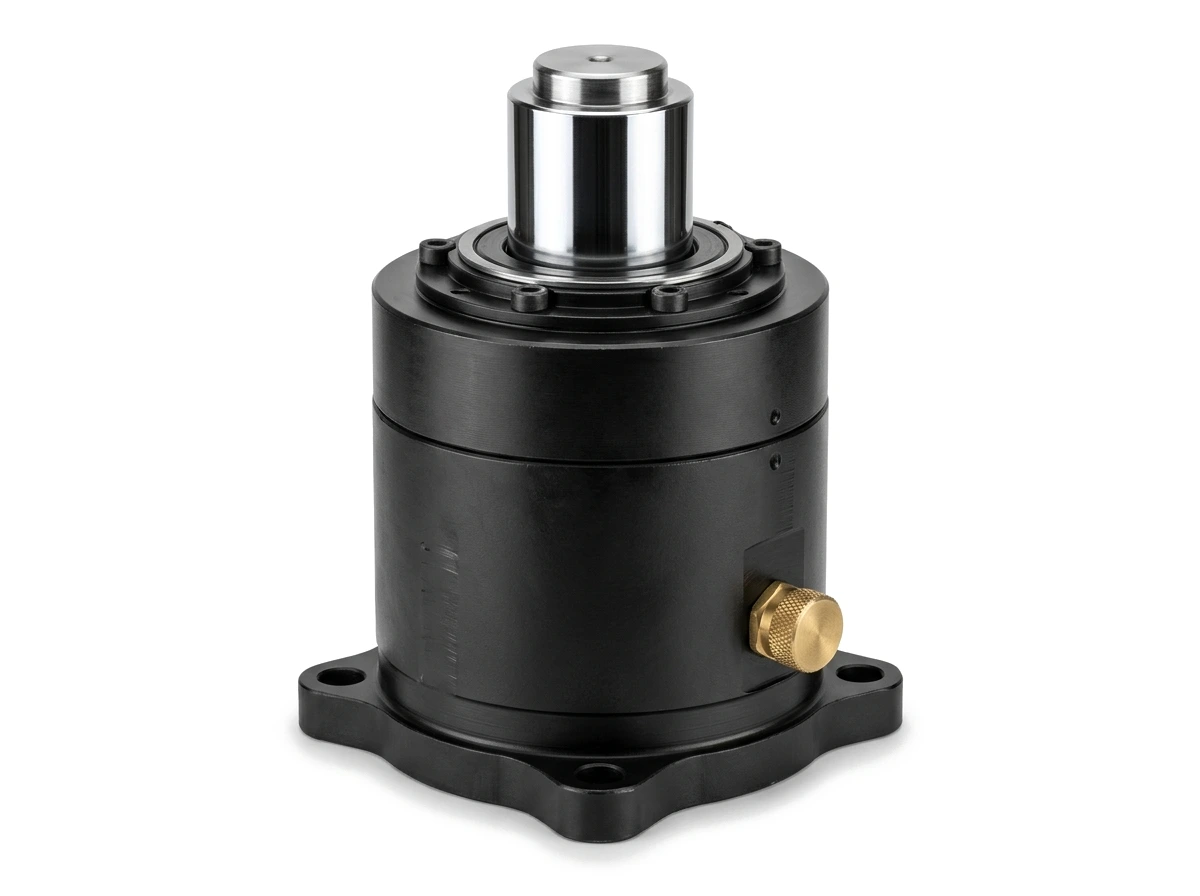
Compact Heavy-Duty Nitrogen Cylinders

Delivers maximum tonnage output at ultra-low shut heights. Designed for heavy-gauge automotive structural steel, ultra-high-strength steel (UHSS) forming, and high-tonnage bending tools.

Compact Heavy-Duty Nitrogen Cylinders - Delivers maximum tonnage output at ultra-low shut heights. Designed for heavy-gauge automotive structural steel, ultra-high-strength steel (UHSS) forming, and high-tonnage bending tools.

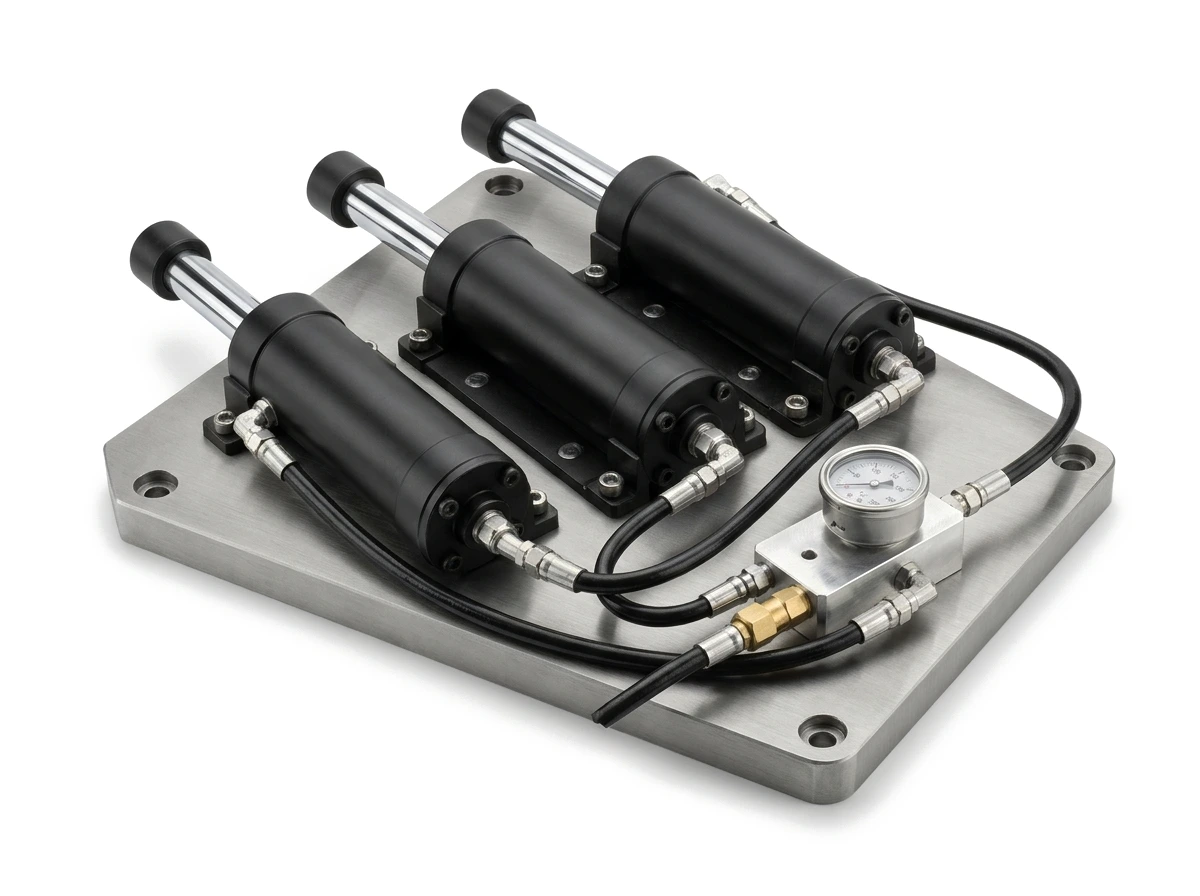
Manifold Linked & Subplate Integrated Systems

Connects multiple nitrogen cylinders via high-pressure flexible hoses or integrated manifold plates, achieving instantaneous pressure self-balancing and single-point external digital regulation.

Manifold Linked & Subplate Integrated Systems - Connects multiple nitrogen cylinders via high-pressure flexible hoses or integrated manifold plates, achieving instantaneous pressure self-balancing and single-point external digital regulation.
Active Safety Protection System · European PED 2014/68/EU

4-Level Active Safety Protection · Zero Press Shop Accidents

Compressed nitrogen gas stores immense mechanical energy. TOSTA nitrogen cylinders feature multi-tiered active physical safeguards conforming to European PED standards, preventing over-stroke bottom rupture, over-pressure explosions, and high-velocity rod ejection.

Over-Travel Protection01
Controlled Wall Deformation

Over-Stroke Safety Mechanism (OSM)

If the press ram accidentally over-strokes beyond the maximum design limit, a precision groove at the cylinder base deforms in a controlled manner to safely vent high-pressure gas without bottom rupture.

Conforms to ISO 11901 Safety
100% Anti-Explosion02
Active Burst Vent Disc

Over-Pressure Rupture Disc (OPD)

If die lubrication fluid ingress or abnormal thermal runaway raises internal gas pressure above 120% of maximum rating, the calibrated rupture disc bursts immediately to vent gas safely.

Conforms to ISO 11901 Safety
Personnel Safety03
Piston Ejection Intercept Ring

Over-Speed Retaining Cushion (USM)

In blank-jamming or dry-cycle conditions where the piston rod recoils uncontrollably at high velocity, a multi-tiered safety retaining shoulder securely arrests the piston inside the body.

Conforms to ISO 11901 Safety
Extended Tool Life04
Self-Lubricating Bronze-PTFE

Side-Load Resistant Guide Bushing

A heavy-duty bronze-PTFE composite guide bushing absorbs up to 1.5° lateral side-load impacts, paired with dual-lip fluoroelastomer wipers to prevent rod galling and gas leakage.

Conforms to ISO 11901 Safety

Engineering Specification Matrix (ISO 11901)

Custom stroke lengths (S), operating charging pressures (up to 180 bar), and high-temp seal packs (up to 120°C) available

Standard ModelBody Dia. D (mm)Rod Dia. d (mm)Initial Force F₀ (kN)End Force Fmax (kN)Standard Stroke S (mm)Charge Press. (bar)Max Press SPM
TU 25032152.43.610 - 125150100
TU 50045204.77.110 - 12515090
TU 75050257.411.210 - 16015080
TU 1000633010.616.010 - 16018075
TU 1500753615.323.512.5 - 20018070
TU 3000955030.246.515 - 25018060
TU 50001206550.377.015 - 30018050
TU 75001508074.8115.020 - 30018040
TU 1000019595106.0162.025 - 30018035

Mechanical Force Equations

Initial Force: F₀ = P × A = P × (π × d² / 4)
End Stroke Force (Polytropic): Fmax = F₀ × (V₀ / (V₀ - A × S))^1.4
Where P is nitrogen charge pressure (N/mm²), d is piston rod diameter (mm), V₀ is internal volume, and S is stroke length.

Engineering Best Practices

  • ✓Reserve 10% Stroke Safety Margin: Actual working stroke must not exceed 90% of nominal stroke to avoid hard bottom impact.
  • ✓1.0–2.0mm Pre-Travel Clamping: Always install with slight initial preload to prevent piston rod slamming against top stop during press return.
  • ✓Side-Load Limit:Limit lateral angular deflection to ≤ 1.5°. For strokes > 100mm, incorporate external tooling guide posts.
Technical Knowledge Base · Engineering Whitepapers

In-Depth Nitrogen Spring Engineering Articles

Authored by TOSTA Die Engineering Specialists: sizing calculations, rectangular spring replacement studies, and safety protocols

Access Complete Pillar Guide →

Typical Critical Applications

Serving global automotive OEMs, Tier-1 stamping suppliers, and heavy industrial press operations

Automotive Body Dies
Door & roof panel stamping
Chassis UHSS Stamping
Heavy tonnage blank holding
High-Speed Progressive Dies
Multi-station high SPM
Appliance Deep Drawing
Wrinkle-free sheet forming
Hot Stamping Tooling
High-temperature holding
Manifold Subplate Systems
Centralized pressure control

Need Stamping Die Sizing Calculations or Replacement Support?

Provide press tonnage, sheet metal grade/thickness, stroke requirements, or existing rectangular spring codes. TOSTA stamping engineers provide sizing reports and CAD models within 24 hours.